
What Are Garage Door Cables and How Do They Work?
Garage door cables are essential components that work in coordination with the door springs to lift and lower the door. These high-tension steel cables wrap around drums mounted above the door and help maintain a balanced, smooth movement.
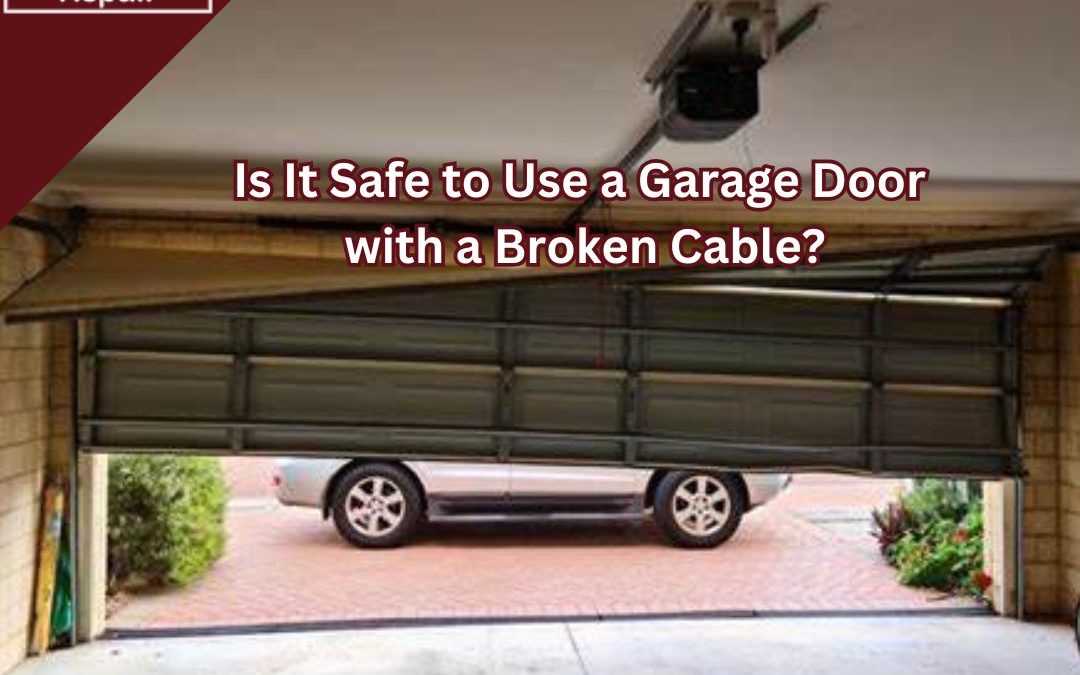
When intact, the cables distribute the door's weight evenly. But when a cable snaps, the weight becomes unevenly distributed, putting strain on the entire system. The result can be a stuck door, an off-track system, or worse—a free-falling garage door.
A broken cable doesn’t just impair convenience; it compromises safety. A functioning cable ensures that even heavy garage doors are manageable, and without it, the door's entire mechanism is at risk.
Why a Broken Garage Door Cable is a Serious Safety Risk
Using a garage door with a broken cable introduces a series of safety hazards:
1. Sudden Door Collapse
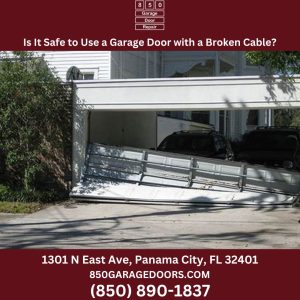
Without proper cable support, the door can crash down without warning. This can damage vehicles or pose serious risks to anyone nearby.
2. Imbalanced Door Movement
When one cable breaks, the door leans to one side. This misalignment can cause the door to jam or come off its track entirely.
3. Added Stress on Other Components
Garage doors are designed with balanced tension. When that balance is lost, springs, rollers, and tracks are subjected to extra force, leading to premature wear or failure.
4. Spring Tension Shifts
Cables help maintain spring tension. A broken cable may cause the springs to snap or shift dangerously, potentially causing injuries.
What Causes Garage Door Cables to Break?
Garage door cables may fail for several reasons:
- Age and Use: Daily use weakens steel cables over time.
- Rust and Corrosion: Humidity and salt in the air, especially in coastal regions like Panama City Florida, accelerate rust.
- Poor Maintenance: Lack of lubrication or inspections increases the likelihood of failure.
- Mechanical Damage: Misaligned tracks, faulty drums, or poor-quality hardware can contribute to wear.
- Previous Repairs: Improperly done repairs may compromise the cable's integrity.
How to Spot a Broken or Fraying Cable
You may notice several indicators before a cable completely fails:
- The door appears uneven or tilted
- The door stops midway or won’t open
- Visible fraying or kinking in the cable
- A loud snap or grinding noise during operation
- One side of the door hangs lower than the other
If any of these symptoms are present, stop using the door immediately and contact a professional garage door repair technician.
Is DIY Garage Door Cable Repair Safe?
No. Garage doors are under extreme tension. Attempting DIY repairs can result in serious injuries or additional damage. Here's why professional help is necessary:
- High-Tension Risk: Springs and cables manage hundreds of pounds of force.
- Lack of Tools: Most homeowners lack the specialized tools for safe repairs.
- Precision Required: Even a small error can cause system imbalance.
Leave cable replacements to trained professionals who have the knowledge and equipment to handle high-tension systems safely.
Benefits of Hiring a Garage Door Repair Professional
When you hire a trained technician, you get:
- Accurate Diagnosis: Technicians assess not just the cables but also springs, drums, rollers, and tracks.
- Safe Cable Replacement: Experts know how to safely relieve tension and install new cables.
- System Balance: After replacement, professionals test and adjust the entire system to ensure smooth operation.
- Local Insight: In Panama City Florida, technicians also check for corrosion issues common in humid environments.
How Broken Cables Impact the Entire Garage Door System
A broken cable doesn't act in isolation. It affects the entire garage door mechanism:
- Springs: If the cable fails, the spring may overextend or snap.
- Rollers and Tracks: Misalignment from an uneven door can damage tracks or pop rollers out of place.
- Opener Motor: The added load and misalignment may cause the opener to overwork or fail.
Proper repairs involve checking and restoring every part of the system.
Preventing Garage Door Cable Damage
Regular maintenance can significantly extend the life of garage door cables:
- Schedule Annual Inspections: Have a professional inspect your system every year.
- Lubricate Moving Parts: Use silicone-based lubricants on cables, springs, and rollers.
- Keep Tracks Clean: Debris buildup causes drag and strain.
- Watch for Fraying or Rust: Spot early signs and address them quickly.
- Avoid Forceful Closing: Don’t slam the door shut—it stresses the cables.
Garage Door Cable Maintenance Checklist
Here’s a simple checklist to stay ahead of cable wear:
- Inspect cables for rust or fraying every 2-3 months
- Listen for squeaks or grinding sounds
- Ensure cables wind and unwind evenly
- Keep garage door balanced (no leaning or sticking)
When Should You Call for Professional Garage Door Repair?
If your garage door exhibits any of these problems, it's time to stop and call a technician:
- One side of the door drops quickly
- The cable is visibly dangling or snapped
- The opener strains but doesn’t lift the door
- The door slams shut unexpectedly
Addressing these signs early can prevent injuries and more extensive system failures.
The Importance of Local Repair Expertise
In coastal areas like Panama City Florida, climate plays a major role in garage door health. Salt air and high humidity speed up corrosion. Local garage door repair professionals are familiar with these challenges and tailor their maintenance and repair plans accordingly.
Final Thoughts: Prioritize Safety Over Convenience
Using a garage door with a broken cable is never worth the risk. It jeopardizes personal safety, damages your property, and escalates repair needs.
If you suspect a broken cable, avoid operating the door entirely. Seek help from a professional garage door repair service that can evaluate the full system, replace worn components, and ensure safe operation.
In Panama City Florida and beyond, prioritizing timely repairs and regular maintenance is the best way to keep your garage door reliable and your home safe.