

Yes, you should lubricate garage door springs as part of routine maintenance, using the correct product and safe technique. A small amount of the right lubricant can quiet noisy operation, reduce friction, and help protect the steel from corrosion. Regular Garage Door Spring Repair in Graceville also ensures the springs are properly balanced and tensioned, preventing premature wear and improving the overall safety of the system. Homeowners often ask this question because springs carry the full weight of the door and any mistake can cause damage or injury. Proper maintenance matters for safety and for the long-term performance of your door system, especially in coastal Florida where humidity and salt in the air can speed up rust. Whether you’re doing upkeep yourself or preparing for garage door repair, the guidance below explains what springs do, why lubricant helps, how to apply it, and when to call a professional from 850 Garage Doors for service or inspection.

Introduction
Garage doors work many times each day for most households. Regular care helps the system move smoothly and keeps stresses off the opener and the panels. Simple steps like cleaning tracks, tightening fasteners, and lubricating moving parts can prevent early wear. Among these parts, the springs are a priority for both performance and safety. Scheduling Garage Door Spring Repair in Youngstown ensures these critical components stay properly balanced, reducing strain on the entire system and extending its service life.
The springs counterbalance the weight of the door to allow easy lifting and controlled closing. When they are maintained, the door stays in balance and the opener does not have to strain. When they are neglected, the door may jerk, squeal, or feel heavy, which can be a safety concern for families and pets. Professional Garage Door Spring Repair in Youngstown keeps the system balanced, prevents uneven wear, and helps ensure smooth, quiet, and safe operation every day.
Understanding Garage Door Springs
Types of Garage Door Springs
Torsion springs
Torsion springs sit on a shaft above the door opening. As the door closes, the springs wind and store energy. As the door opens, that stored energy unwinds to lift the door in a controlled way. They are common on newer systems and are known for smoother operation and better balance.
Extension springs
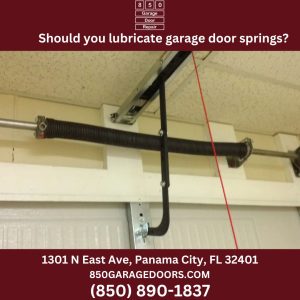
Extension springs run along the horizontal tracks on each side of the door. They stretch and contract as the door moves. Many older Florida homes still use this style. Safety cables should always run through these springs to keep broken pieces from flying if a failure occurs.
Why Springs Are So Important
Balance and tension
Proper tension lets the door stay put when opened halfway. If it drifts or slams shut, the balance is off. Balanced doors protect the opener and reduce wear on hinges and rollers.
Safety in operation
Springs are under significant force. When they are compromised by rust or wear, the chance of failure rises. Preventive care keeps the surface protected and helps you spot early warning signs before they turn into urgent repairs.
The Purpose of Lubrication
What Lubrication Does
- Reduces friction so coils move with less scrape and grind
- Extends lifespan by limiting metal to metal wear
- Ensures quiet operation which is welcome during early mornings
Signs Your Springs Need Lubrication
- Creaking or grinding sounds during opening or closing
- Jerky or uneven movement of the door panels
- Visible dry spots or orange rust on the coils
Should You Lubricate Garage Door Springs
The Benefits of Regular Lubrication
- Prevents rust and corrosion in humid or salty air
- Reduces wear and tear on the coil surfaces
- Enhances smooth performance and helps the opener work less
Potential Risks of Over Lubrication
- Attracts dirt and dust which can form a sticky paste
- Creates drips and mess that reduce effectiveness and can stain floors
Quick guide to spring lubrication
| Topic | Practical guidance |
|---|---|
| Best lubricant type | Use silicone spray or light lithium based product designed for garage doors |
| Amount to apply | Light, even mist on the coils and pivot points without soaking |
| Ideal frequency | Every six to twelve months, more often in coastal or humid zones |
| What to avoid | Avoid water displacing cleaners like WD 40 as the main lubricant |
| When to call a pro | If the spring is broken, if the door is out of balance, or if noise continues |
- Keep a towel ready to catch excess spray
- Protect your eyes with safety glasses
- Work with the door in the down position for stability
- Wipe overspray from tracks and panels
- Test the manual release to confirm smooth travel
How to Safely Lubricate Garage Door Springs
Choosing the Right Lubricant
When performing Garage Door Track Replacement in Cedar Grove, choosing the right lubricant helps extend component life. For most homes, a silicone spray or a light lithium-based garage door spray works well. These products cling to the steel, resist moisture, and collect less dirt than heavy oils. Avoid using general water-displacing cleaners as your main product. They can remove grime effectively, but they do not provide lasting lubrication for the springs or track components.
Step by Step Lubrication Process
Preparation
- Close the door fully and unplug the opener for safety
- Place a towel on the floor to catch drips
- Clean dust from the spring area with a dry cloth
- Wear safety glasses and gloves
Application
- Hold the spray straw a short distance from the coils
- Apply a light, even mist across the spring length
- Cycling the door a few times helps the lubricant work in
Aftercare
- Wipe excess from nearby surfaces to prevent buildup
- Check other moving parts such as hinges, rollers, and pulleys
- Restore power to the opener and test the door several times
Safety Tips to Keep in Mind
When to call a professional
If you notice a gap in the coil, a loud snap, or a cable that has come loose, stop using the door and contact a technician. Those signs point to a broken or failing spring which should not be handled by a homeowner.
Avoiding DIY risks with broken springs
Springs contain stored energy. Attempting to remove or wind them without the right tools and training can cause severe injury. Lubrication is a light maintenance step. Any repair that involves tension should be left to a professional.
How Often Should You Lubricate Garage Door Springs
Recommended frequency
In most homes, springs benefit from lubrication every six to twelve months. In Florida, especially along the Gulf where salty air is common, plan on the shorter interval and add a quick mid season touchup after long stretches of rain.
Factors that may change timing
- Climate with high humidity or salt exposure
- Heavy daily use that raises wear levels
- Older hardware that has less protective coating
- Garage space that is not sealed and gathers dust
When Lubrication Is Not Enough
Signs Springs Need Replacement
- Excessive noise even after proper lubrication and cleaning
- Door that will not stay in place when opened halfway
- Visible gaps in torsion coils or stretched extension springs
Why You Should Not Replace Springs Yourself
High tension dangers
Springs are designed to counterbalance heavy doors. The force required to do that job can cause sudden movement if a bar slips or a set screw is loosened incorrectly. Experienced technicians use purpose built tools and steps to control that force.
Professional expertise required
Proper replacement includes selecting the correct spring size, setting the right number of turns for balance, and verifying cable alignment and safety device function. A professional will also inspect rollers, hinges, drums, and the opener to make sure the entire system operates as designed.
Florida insight for homeowners in the Panhandle. Salt carried on sea breezes can settle on metal parts in garages that are not fully sealed. Rinse the bottom seal and wipe exposed steel once in a while. Pair that habit with light lubrication of springs and hinges to slow down surface rust.
Conclusion
When it comes to Garage Door Spring Repair in Tyndall Air Force Base, proper lubrication makes a noticeable difference. Yes, you should lubricate your garage door springs, but only with the right product and a light touch. Lubrication reduces friction, quiets operation, and helps protect against rust, which is especially important in humid coastal environments. Keep the application light, avoid products designed only to displace water, and wipe away any excess. If the door continues to make noise, fails to hold its position, or you notice a gap in the coil, stop operating it and schedule a professional inspection immediately.
Key takeaways. Springs do the heavy work of balancing your door. Light lubrication two times per year can extend their service life. Safety comes first and spring replacement is not a do it yourself task. If you have concerns or want a thorough inspection, reach out to the team at 850 Garage Doors. You can also explore more about services and maintenance guidance on the company site at https://www.850garagedoors.com/ for additional insights tailored to Florida homes.