

Some garage door issues are easy to fix, while others are not and can be risky without proper training and the right tools. Many homeowners can safely handle simple maintenance like cleaning photo eyes, replacing remote batteries, or lubricating rollers. However, when it comes to garage door repair tasks involving springs, lift cables, heavy panels, or a door that will not stay balanced, professional attention is essential. This matters because a garage door is the largest moving system in most homes and in Florida the door also contributes to storm readiness and home security. A careful approach to repair and maintenance helps you avoid injury, protects your opener, and keeps the door reliable during the long humid seasons common along the Panhandle.
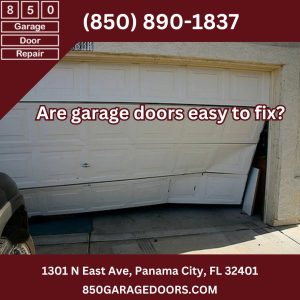
Introduction Are Garage Doors Really Easy to Fix
Why this question matters for homeowners
When scheduling Garage Door Spring Repair in Parker, it helps to remember that many Florida homeowners rely on the garage as their primary entrance. If the door sticks before service or refuses to close before a storm, the disruption is immediate. Understanding which issues you can safely handle yourself and which require a trained technician saves time and prevents recurring problems. Regular professional maintenance also ensures the door is ready when summer storms, lightning, and power flickers test the opener, springs, and safety systems.
Common scenarios when garage doors stop working
- The door starts down then returns to the open position
- The clicker works only at very close range or not at all
- Loud squeaks or grinding noises during travel
- Gaps appear at the bottom seal letting in wind driven rain
- The opener light blinks and the door will not move
Understanding Garage Door Systems
Key components of a garage door
- Sections or panels that make up the door
- Torsion or extension springs that counterbalance weight
- Cables and drums that lift the door
- Tracks and rollers that guide movement
- Opener motor, drive system, and control board
- Safety sensors and wall control
- Weather seal and bottom astragal
How the mechanism works springs tracks opener sensors
In the Modern Steel Collection, as with most well-designed garage door systems, the opener does not lift the full weight of the door. The springs carry that load by storing and releasing energy, while cables wind on drums to raise and lower each section along the steel tracks. The opener’s job is simply to control movement, not provide lifting power. Safety sensors near the floor monitor for obstacles and will automatically reverse the door if the invisible beam is interrupted or the sensors become misaligned.
Common causes of malfunctions
- Dirty or misaligned safety sensors
- Weak remote batteries or radio interference after a lightning storm
- Dried out rollers and hinges due to heat and salt air
- Worn or broken springs after many open and close cycles
- Bent track or frayed cables from impact or rust
What Garage Door Issues Are Easy to Fix
Minor problems you can handle yourself
Misaligned safety sensors
During Garage Door Spring Repair in Southport, technicians often check the safety sensors to ensure they’re properly aligned. When these sensors are out of alignment, the door may start to close and then reverse, and the opener lights might blink. Gently clean each sensor lens with a soft cloth, make sure both brackets are secure, and aim the sensors directly at each other. A steady indicator light on both units confirms correct alignment and ensures the door can operate safely and smoothly..
Remote control or battery issues
If the clicker works only a few feet from the door, replace the coin cell battery and recheck. In coastal Florida, humidity can corrode contacts. A quick wipe with a dry cotton swab can restore good contact. If problems continue try the wall control to rule out radio interference from nearby devices.
Lubricating squeaky hinges and rollers
Noise often comes from dry metal contact. Use a garage door rated lubricant on hinges, rollers with bearings, and the opener trolley. Avoid getting lubricant on the track itself to prevent roller slip. Wipe any extra residue to keep grit from building up.
Tools and supplies most homeowners already have
- Soft cloth and mild cleaner for sensors and photo eyes
- Replacement coin cell batteries for remotes
- Garage door rated spray lubricant
- Step ladder and safety glasses
- Quarter inch and half inch socket drivers for light tightening only
| Common Issue | Typical Difficulty for Homeowners |
|---|---|
| Sensor lenses are dirty or misaligned | Usually simple after cleaning and aiming |
| Remote has weak battery | Simple replacement and quick test |
| Squeaky rollers and hinges | Simple lubrication and wipe down |
| Bottom seal is cracked | Moderate because alignment of retainer matters |
| Door stops and reverses near the floor | Simple if sensors are the cause, complex if springs are weak |
- Start with a visual check for loose hardware and sensor lights
- Test the wall button to isolate remote problems
- Listen for new noises that appeared after a storm
- Lubricate moving metal parts a few times a year
- Stop work if the door feels heavy or uneven
When Garage Door Repairs Get Complicated
Problems that require professional expertise
Broken or stretched springs
Springs carry the weight of the door. When a spring breaks the door may feel extremely heavy or refuse to move. Replacing springs involves precise sizing, safe unloading of stored energy, and correct winding. This is not a safe do it yourself task.
Damaged cables or rollers
Frayed cables and chipped rollers can fail without warning. If a cable slips off the drum the door may jam crooked in the track. Resetting tension and restoring alignment requires training and the right bars and fixtures.
Track misalignment or structural issues
A vehicle bump or wind driven impact can twist track brackets or loosen lag screws. Pulling the track back into plumb while preserving door clearances is delicate work. A misstep can cause binding, panel damage, or a door that drifts open.
Safety risks of DIY fixes
- Springs under high tension can cause injury if handled incorrectly
- The door weighs well over one hundred pounds and can fall if cables fail
- Improper adjustments may strip opener gears or burn control boards
- Climbing without a helper increases fall risk
- Storm rated systems need precise settings to meet wind load expectations
The Pros and Cons of DIY Garage Door Repairs
Benefits of trying simple fixes
- Quick wins like cleaning sensors or swapping a battery restore function fast
- Regular lubrication reduces noise and wear
- A homeowner can spot small issues before they grow
Risks of making the problem worse
- Over tightening hardware can warp track or crush roller stems
- Wrong lubricant on nylon rollers attracts debris and causes binding
- Turning force adjustments on the opener to overcome a heavy door hides the real issue and strains the motor
Cost comparisons DIY vs professional repair
It is reasonable to attempt simple cleaning and lubrication because these actions take little time and require basic supplies. When parts are worn or the door is out of balance a technician is the efficient choice. Pros arrive with correctly sized springs, matched cables, and gauges that set travel and force to manufacturer specs. This avoids repeated trips to the store, prevents collateral damage to panels and electronics, and provides a complete functional test before the door is put back into service.
How to Decide Should You DIY or Call a Pro
Questions to ask yourself before starting a repair
- Is the issue clearly cosmetic or cleaning related
- Does the door feel heavier than usual when disconnected from the opener
- Are there broken strands on the lift cable
- Did the problem start after lightning or a power surge
- Do I have a helper and proper safety gear
Signs it is time to hire an expert
- The torsion spring has a visible gap or the extension spring hangs slack
- The door is crooked in the opening or rubs the track
- The opener hums but does not move the door
- You see frayed cables, bent track, or cracked hinges
- The door will not stay at mid height when lifted by hand
Preventive Maintenance for Fewer Repairs
Regular inspection checklist
- Look for loose hinge screws and track bolts
- Check sensor lights and clean the lenses
- Inspect the bottom seal for gaps that let in wind driven rain
- Examine cables near the bottom brackets for rust or fraying
- Test the auto reverse using a scrap two by four placed flat under the door
Lubrication and tightening routines
Wipe dust from rollers and hinges then apply a light coat of garage door rated spray. Tighten only snug. Focus on hinges, roller bearings, and the opener trolley. In coastal neighborhoods like Pensacola, Destin, and Panama City, salt air speeds up corrosion, so short and regular care is better than waiting until the door squeaks loudly.
How often to service your garage door
Plan a quick homeowner tune up every three to four months during peak humidity and at the start of storm season. Schedule a professional safety and balance check about once each year or after any impact, power surge, or flooding event. This rhythm keeps the door reliable for daily use and ready when tropical weather threatens.
Conclusion Are Garage Doors Easy to Fix
Quick fixes vs complex repairs
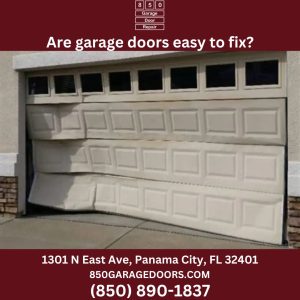
Cleaning sensors, replacing a remote battery, and lubricating rollers are practical tasks for many homeowners. Anything that touches springs, cables, door balance, or bent track crosses into professional territory. That line protects you, your opener, and the integrity of a storm ready door.
Final advice for homeowners
Start simple, work safely, and stop if the door feels heavy or looks uneven. When in doubt, call a trusted technician. The team at 850 Garage Doors focuses on reliable service for Florida homes and understands the salt, heat, and storm stresses unique to the region. If you would like guidance or a thorough inspection, reach out to 850 Garage Doors or explore more on the website at www.850garagedoors.com.