

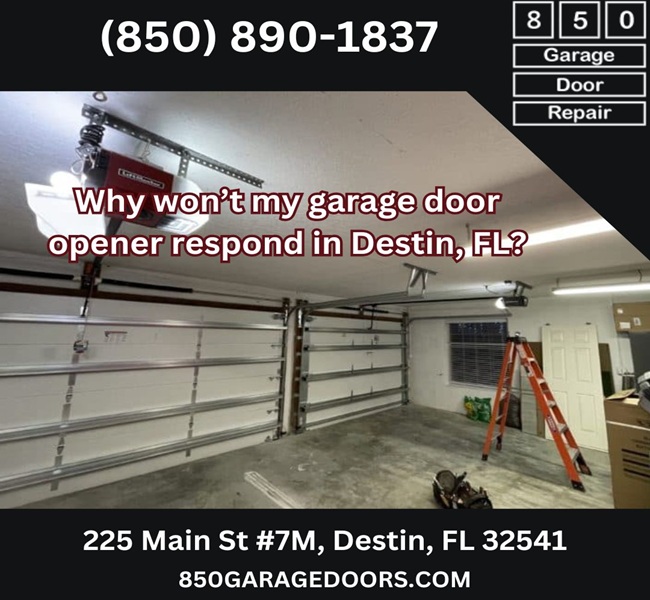
A non-responsive garage door opener is one of the most frustrating problems homeowners face, especially when you're in a hurry to leave or come home. The answer is usually not a single issue but rather a combination of factors. In Destin, your garage door opener faces unique environmental challenges that accelerate wear and damage compared to other regions. Your coastal location, with its salt air, high humidity, and temperature fluctuations, creates conditions that can disable your opener faster than you might expect. Understanding why this happens helps you protect your investment and recognize when professional garage door repair is essential.
Why Your Garage Door Opener Won't Respond in Destin, FL
When your garage door opener stops responding, your home loses convenient access and security control. This isn't just an inconvenience. A non-functional opener signals that internal components are failing, and the longer you wait to address the problem, the more expensive repairs become. Coastal environments like Destin accelerate this process because of the combination of moisture, salt spray, and temperature swings that corrode metal parts and degrade electrical connections. Your opener is designed to function in average climates, not in the corrosive coastal conditions you live in every day.
What "Not Responding" Actually Means for Your Opener
When homeowners say their opener isn't responding, they could mean several different things. Understanding what's actually happening helps you diagnose the problem more effectively and communicate it clearly to a professional technician.
Is Your Opener Completely Silent or Making Noise?
A completely silent opener suggests an electrical problem. This could mean no power is reaching the unit, the circuit has been disrupted, or a safety sensor is blocking operation. A noisy opener that doesn't move the door indicates mechanical failure. You might hear clicking, humming, buzzing, or grinding sounds. These sounds tell you the motor is trying to work but something is physically blocking it or the drive system is damaged.
Unsure which category your opener falls into? Contact 850 Garage Doors for a free diagnostic assessment. We can identify the exact problem and explain your repair options.
Remote Not Working vs. Wall Button Not Working
If your wall button works but the remote doesn't, the problem is likely with the remote itself, the batteries, or the radio receiver in your opener. If both the remote and wall button fail, the issue is with the opener unit itself. This distinction is critical because a remote problem is usually a quick fix, while an opener unit problem requires professional repair or replacement.
Intermittent Response vs. Complete Failure
Intermittent failure (working sometimes, not others) often indicates loose electrical connections, deteriorating contacts, or moisture seeping into the circuitry. Complete failure suggests a more serious issue like motor burnout, control board failure, or broken drive mechanisms. Intermittent problems sometimes worsen rapidly in coastal humidity, so addressing them early prevents complete breakdown.
5 Reasons Garage Door Openers Fail in Coastal Florida
Destin's unique environmental conditions create specific failure patterns for garage door openers. Understanding these patterns helps you recognize warning signs and take action before your opener stops working entirely.
Salt Air Corrosion on Opener Components
Salt spray from the Gulf of Mexico doesn't just affect your car and outdoor furniture. It penetrates metal components inside your garage door opener, corroding springs, chains, pulleys, and the metal frame of the motor housing. This corrosion weakens structural components and creates rough, pitted surfaces that increase friction and strain on the motor. Salt air is relentless. It works silently and continuously, degrading your opener year after year. By the time you notice a problem, significant internal damage may already exist.
Humidity Cycles Affecting Electrical Connections
Destin experiences significant daily humidity swings. Morning air is dense with moisture; afternoon sun heats the garage and creates condensation inside the opener's electronics. This constant cycling of humidity creates an ideal environment for corrosion of electrical contacts, circuit board traces, and connector pins. Water and salt mixture acts like an electrolyte, accelerating the corrosion process and causing intermittent electrical failures. Your opener's circuit board and transformer are especially vulnerable because they contain the most sensitive electrical components.
Motor Burnout from Overworking in Moisture
Moisture in the garage increases friction on the drive chain or belt. The motor has to work harder to move the door. Over months and years, this extra strain degrades the motor's windings and bearings. When the motor finally fails completely, you have a non-responsive opener that requires replacement. This is particularly common in openers that are 8 to 10 years old. The combination of accumulated corrosion and the motor's age creates the perfect storm for failure. Addressing failing Broken Garage Door Spring Repair and motor issues quickly can prevent complete system failure.
Misaligned Doors Putting Strain on Opener Systems
Humidity and temperature changes cause your garage door frame to shift slightly. Over time, your door can become misaligned. When the door isn't properly balanced, the opener has to exert more force to move it. This extra strain accelerates wear on the motor, chain or belt, and control mechanisms. Many homeowners don't realize their door is misaligned until the opener fails trying to compensate. Issues with Garage Door Rollers Repair often contribute to misalignment problems.
Age + Coastal Environment = Accelerated Wear
A garage door opener that might last 15 years in a dry climate often fails in 10 years on the Florida coast. The combination of salt air, humidity, temperature swings, and UV exposure accelerates every failure mechanism. Components that should last for a decade degrade much faster. If your opener is over 10 years old and you live in Destin, you're on borrowed time. Failure could happen at any moment.
| Coastal Failure Factor | Impact on Opener Lifespan |
|---|---|
| Salt Air Corrosion | Weakens metal components and creates friction that strains the motor by 20-30% |
| Humidity Cycles | Corrodes electrical contacts and causes intermittent failures that worsen over time |
| Motor Burnout Risk | Moisture increases drive friction, forcing motor to work harder until it burns out |
| Frame and Door Misalignment | Temperature and moisture swings cause shifting that increases operational strain by 15-25% |
| Accelerated Age Factor | Openers typically fail 5 years earlier on Florida coast than in average climates |
Simple Troubleshooting Before You Call a Professional
Before you contact a technician, perform these basic checks. They take only a few minutes and might reveal an easy fix.
Check Your Batteries First (and Why Coastal Humidity Drains Them)
Replace the batteries in your garage door remote with fresh, high quality batteries. Coastal humidity drains batteries faster than in drier climates. Corroded contacts on the battery terminals also prevent proper electrical flow. If the wall button works but the remote still doesn't, the problem is with the remote, not your opener. If neither works, proceed to the next step. Understanding your Garage Door Openers components helps you troubleshoot more effectively.
Test the Wall Button vs. the Remote
Walk to the garage wall panel and press the button directly. If the door opens, your remote receiver is likely faulty or the remote itself is broken. If the wall button also fails, the problem is definitely with the opener unit itself. This simple test instantly narrows down the issue.
Look for Visible Corrosion or Moisture Around the Unit
Open the garage and examine the opener closely. Look for rust, white or greenish corrosion on metal components, water stains, or moisture pooling inside the housing. Do you see condensation on the motor or circuitry? These are signs that corrosion is likely damaging internal components. Take photos if you see corrosion. These images help a technician understand the severity of your situation.
Listen for Error Codes Your Opener Is Sending
Modern openers emit beeping codes that indicate specific problems. Consult your opener's manual or manufacturer website to decode any sounds it makes. A single beep might mean a sensor issue, while rapid beeps might indicate a safety problem. Some openers use light flash patterns instead of beeps to communicate errors. Understanding these signals helps you communicate the problem accurately to a professional.
After troubleshooting, still stuck? Salt corrosion problems require professional expertise. 850 Garage Doors offers same-day service for non-responsive openers in Destin. Call now to schedule your repair.
When Your Garage Door Opener Problem Requires Professional Help
If your troubleshooting reveals any of these conditions, stop attempting DIY fixes immediately. These situations require professional repair to ensure your safety and prevent further damage.
You've Tried Everything and Nothing Works
If fresh batteries, button testing, and visual inspection haven't solved the problem, your opener needs professional diagnosis. The issue is inside the unit where you can't safely access it. Attempting to open the unit yourself risks electrical shock and further component damage.
Don't risk more damage to your system. Professional technicians have the tools and expertise to identify hidden problems. Emergency technicians are available now in Destin.
The Opener Makes Noise But the Door Won't Move
A noisy but non-responsive opener indicates mechanical failure. The motor is running but something prevents the door from moving. This could be a broken chain, a slipped belt, damaged gears, or a broken drive screw. These internal problems require professional repair. Continuing to operate the opener might cause the motor to burn out, turning a fixable problem into a Garage Door Opener Replacement situation.
You See Rust, Water Damage, or Burned Smells
Rust indicates significant corrosion. Water damage means moisture has penetrated the electronics. A burned smell signals overheating or electrical failure. These are serious warning signs requiring immediate professional attention. Operating a damaged opener risks electrical fire or personal injury.
The Opener Is Over 10 to 15 Years Old in a Coastal Environment
If your opener is in this age range and has started having problems, replacement is often the best option. Repair costs for older units frequently approach or exceed replacement costs. A new opener comes with a warranty and will perform reliably in your coastal environment if properly maintained.
Why Waiting on a Non-Responsive Garage Door Opener Costs More
Procrastinating on garage door opener problems creates a domino effect of increasing damage and cost.
A Broken Opener Can Damage Your Door's Springs
When your opener fails, some homeowners manually operate the door or try workarounds. Operating a heavy door manually without the opener's assist puts extreme strain on your door springs. Springs are under constant tension and rely on the opener to help distribute that load. Forcing the door up and down without the opener accelerates spring degradation. When springs fail, replacement costs exceed what a timely opener repair would have cost.
Security Risk: A Non-Functional Opener Is a Security Problem
A garage door that doesn't operate properly is a security vulnerability. Thieves target homes with broken doors. A door you can't close electronically is an invitation for break-ins. Beyond theft risk, family safety is compromised. You need reliable secure entry to your home.
Emergency Service Rates Cost More Than Scheduled Repairs
When your opener fails at an inconvenient time, you need emergency service. Emergency appointments cost more than scheduling a repair during regular business hours. Waiting until your opener completely fails forces you into emergency situations. Addressing problems when you first notice them keeps you in control of timing and cost.
This is costing you more every day your opener remains non-responsive. Early intervention prevents cascading damage and keeps your expenses manageable.
Conclusion
Your garage door opener stops responding due to a combination of factors unique to Destin's coastal environment. Salt air corrosion, humidity cycles, motor strain, and frame misalignment all work together to degrade your opener over time. The faster you identify the problem and take action, the less damage occurs and the less repair will ultimately cost.
Start with basic troubleshooting: check batteries, test buttons, inspect for visible damage, and listen for error codes. If these steps don't solve the problem, or if you observe rust, water damage, or other serious warning signs, professional help is essential. A technician can safely diagnose hidden problems and recommend the right solution for your situation.
Your garage door opener is a critical component of your home's function and security. Don't let a non-responsive opener compromise your convenience or safety. 850 Garage Doors has been serving Destin homeowners with reliable opener repair and replacement for years. We understand the unique challenges your coastal location creates, and we know how to fix them right the first time.
Contact 850 Garage Doors today for a free inspection and quote. Our local experts are ready to get your opener responding again and your garage door working smoothly. Visit us at 850garagedoors.com or call to schedule your service now.