

Garage door cables typically fall off due to tension imbalances, worn-out components, misaligned tracks, or broken springs. This issue is more common in Panama City, Florida, than many homeowners realize. With the coastal humidity, seasonal storms, and everyday wear and tear, garage doors can experience mechanical stress that weakens their cable system. Understanding why this happens—and how timely garage door repair can address it—helps prevent costly damage and ensures safety for your home and family.
Understanding Garage Door Cables
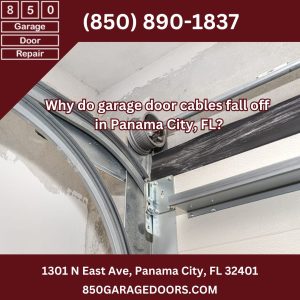
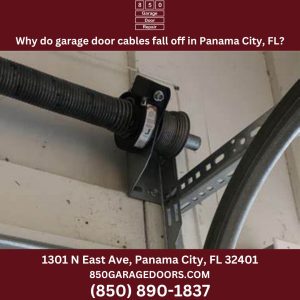
Garage door cables play a vital role in lifting and lowering your garage door smoothly and safely. They work alongside the springs to carry the door's weight, providing balance and control. Typically, two types of cables are found in most residential setups:
- Torsion cables: Attached to the bottom of the garage door and wound around a drum.
- Extension cables: Found on either side of the door, they stretch when it opens.
When these cables come off their drum or pulley system, the garage door becomes unbalanced or may refuse to open or close properly. This is a warning sign that immediate garage door repair is needed.
Top Reasons Garage Door Cables Fall Off
Broken or Worn-Out Springs
A broken or aging spring is one of the most common causes of a cable slipping off. Since springs counterbalance the door's weight, any issue with them can throw off the entire cable system.
If your garage door suddenly slams shut, opens crookedly or seems heavier than usual, the problem may not be the cable but the spring.
Improper Tension
Incorrect tension in the cables can cause them to unravel from the drum. Over time, cables might loosen or stretch, primarily if the door has been operated frequently or forcefully. Too much slack can allow the cable to jump off the track, while excessive tension may lead to fraying or snapping.
Misaligned Tracks
Garage door tracks need to be perfectly aligned for the system to operate efficiently. Misalignment due to rust, impact, or poor installation can lead to uneven movement. This puts pressure on the cables, increasing the chance they'll come loose or detach.
Worn-out drums or Pulleys
The drums or pulleys that help roll the cables into place can wear out over time. The wires may not stay seated correctly if they develop grooves, warps, or cracks. This is often the case in homes where garage doors haven't been serviced in several years.
Door Obstruction or Impact
A standard, yet often overlooked, reason for a cable falling off is an obstruction in the garage door's path. This could be a small object caught in the track or even an accidental impact—like backing into the door. Sudden resistance or impact shifts the cables from their position, leading to misalignment or detachment.
Signs Your Garage Door Cable Is Off
Spotting a loose or fallen cable early is crucial to avoid further damage. Here are common indicators:
- One side of the garage door appears higher or lower than the other.
- The garage door struggles to open or close.
- You hear unusual noises like scraping or grinding.
- The door seems crooked or jammed in its tracks.
- Frayed or visibly slack cables near the bottom of the door.
If any of these symptoms appear, it's best to promptly stop operating the door and schedule a garage door repair.
Importance of Routine Maintenance
Preventing cables from falling off is often as simple as consistent upkeep. A proper maintenance routine includes:
- Lubricating moving parts (like rollers, drums, and springs) to reduce friction and wear.
- Inspecting cables for fraying, rust, or slack.
- Checking spring tension to ensure the door stays balanced.
- Cleaning the tracks to remove dust, sand, or obstructions.
- Tightening loose brackets and checking alignment.
Having a professional perform a yearly inspection can catch early signs of wear and help you avoid emergencies.
DIY vs. Professional Garage Door Repair
Some homeowners may feel tempted to fix garage door cables themselves. However, it's crucial to understand the risks involved. The tension in springs and cables is powerful enough to cause injury if released unexpectedly. Attempting to rewind a torsion spring or reset a cable without proper tools or knowledge can be dangerous.
While basic inspection and lubrication can be done safely, anything involving the spring or cable system is best left to trained professionals.
Replacing vs. Repairing the Cable
Whether to repair or replace a cable depends on its condition. If a cable is slightly off the drum but still in good shape, it might only need resetting. However, replacement is usually the better choice if it's frayed, corroded, or stretched out.
Again, these decisions are best made by an experienced technician after a full assessment.
The Risk of Continuing Operation with a Fallen Cable
Operating a garage door with a loose or detached cable can cause severe damage—not only to the cable itself but to the springs, opener, tracks, and even the door panels. Each use adds strain and may twist or bend other parts, increasing repair needs.
It's always safer to stop using the door entirely until a repair specialist has inspected it.
Final Thoughts on Cable Issues in Panama City, Florida
Environmental exposure, mechanical wear, and occasional human error make garage door cable issues relatively common in Panama City, Florida. Whether it's the salty air eating away at steel components or a misaligned track from frequent use, the result is often the same—a cable that slips off and creates a bigger problem.
Ignoring this can put your home's safety at risk and increase the chances of further damage. The good news is that most cable issues are preventable with regular maintenance and timely repairs.
When to Call a Professional
If your garage door cable has fallen off or shows signs of damage, don't wait. Attempting to fix it without the right tools or experience can be dangerous. Instead, contact a trusted garage door repair professional.
They can inspect the entire system, assess wear on springs and pulleys, reset cable tension, and ensure everything is balanced and safe to use. Most importantly, they'll help you avoid repeat issues and extend the life of your garage door.
Keeping your garage door running smoothly isn't just about convenience—it's about protecting your home, family, and peace of mind.